
Bluetooth Car Stereo Alternatives : 6 Easy Alternatives (No New Stereo)
Table of Contents
You love your car. It’s reliable, comfortable, and paid off. But it was built before Bluetooth was standard. Every time you get in, you’re stuck with either silence or the same burned CD you’ve been listening to for three years.
You want Bluetooth. You want hands-free calling. You want to stream your playlists. But the thought of ripping out your factory dashboard, dealing with wiring harnesses, and spending hundreds of dollars on a new stereo? That feels like a lot.
Here’s the good news: you don’t always need a new stereo.
There are plenty of ways to add modern connectivity to an older car without ever touching your factory radio. Whether you’re looking for a quick $20 fix or a more permanent solution that keeps your dashboard looking original, this guide covers every option.
We call these bluetooth car stereo alternatives—and for many drivers, they’re the perfect solution.
If you’re curious about doing a full stereo upgrade, check out our guide for the best stereos on the market, ourinstallation guide for step-by-step wiring help, oursafety guide for hands-free calling tips, and our audio quality guide for getting the best sound. But if you want to keep your car looking original while adding Bluetooth, keep reading.
Why Consider an Alternative Instead of a Full Stereo Replacement?
Before we dive into the options, let’s talk about why you might choose an alternative solution over a full bluetooth car stereo installation.
Reasons to go the alternative route:
- You want to keep your factory look. Some cars—especially classics, luxury models, or vehicles with integrated climate controls—look wrong with an aftermarket stereo.
- You’re on a tight budget. Full stereo replacement can cost $200-$800. Alternatives starfreet at $15.
- You’re renting or leasing. You can’t modify the car permanently.
- You want a quick install. Some alternatives take 30 seconds to set up.
- Your factory stereo still sounds good. You just need Bluetooth, not better sound.
Reasons to do a full replacement:
- You want better sound quality. A full bluetooth car stereo with a car stereo with 13 band equalizer and mosfet amplifier car stereo will sound dramatically better.
- You want a touchscreen. Alternatives don’t give you Apple CarPlay or Android Auto.
- You want to add a backup camera. That usually requires a new stereo.
- Your factory stereo is broken. If it’s dead anyway, might as well upgrade.
For everyone else, these alternatives are about to change your driving life.
Option 1: Bluetooth FM Transmitter (The $20 Hero)
Let’s start with the simplest, cheapest, most popular option: the Bluetooth FM transmitter.
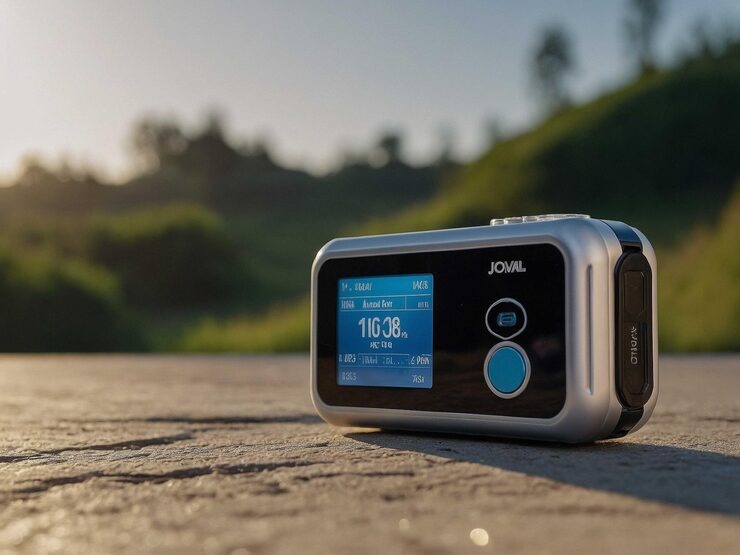
What it is: A small device that plugs into your car’s cigarette lighter (12V outlet). It connects to your phone via Bluetooth, then broadcasts the audio over an FM radio frequency. You tune your car radio to that frequency, and suddenly you’re streaming music and calls through your factory speakers.
How to set it up:
- Plug the transmitter into your cigarette lighter
- Pair your phone via Bluetooth (just like pairing headphones)
- Find an empty FM station (one with static, no actual radio station)
- Set the transmitter to that frequency
- Tune your car radio to the same frequency
- That’s it. You’re done.
What you get:
- Wireless music streaming from Spotify, Apple Music, YouTube, etc.
- Hands-free calling (most have a built-in microphone)
- USB charging ports for your phone
What you don’t get:
- Crystal clear audio (FM has limitations)
- Steering wheel controls
- Great microphone quality (callers will hear road noise)
Best for: Commuters, budget-conscious drivers, anyone who wants Bluetooth in 30 seconds
Price range: $15-$40
Pro tip: Look for one with a bluetooth car kit handsfree label and a noise-canceling microphone. The cheap ones sound terrible on calls. The better ones are surprisingly usable.
Option 2: Bluetooth Cassette Adapter (For the Truly Vintage)
If your car has a cassette player, this one’s for you.
What it is: A cassette-shaped adapter with a wire that connects to your phone (or a Bluetooth receiver). You insert it like a tape, and it plays your phone’s audio through the cassette deck.
The old school version: A cassette with a wire that plugs directly into your phone’s headphone jack. You control everything from your phone.
The modern version: A cassette adapter with built-in Bluetooth. No wires. Just insert, pair, and play.
What you get:
- Bluetooth streaming
- No installation at all
- Keeps your factory look completely intact
What you don’t get:
- Hands-free calling (unless you buy a separate bluetooth car kit handsfree)
- Great sound quality (cassette decks were never hi-fi)
Best for: Classic car owners, anyone with a 90s car who wants to keep the original look
Price range: $15-$30
Pro tip: Clean your cassette deck’s head with a cleaning tape before using. Old dust and dirt will make it sound terrible.
Option 3: Bluetooth Aux Adapter (The Cleanest Wireless Option)
If your car has a factory aux input (3.5mm headphone jack), this is your best bet for quality.
What it is: A small Bluetooth receiver that plugs into your aux input. It hides in your center console or glove box, connects to your phone wirelessly, and sends audio directly to your stereo through the aux port.
What you get:
- Much better sound quality than FM transmitters
- Clean installation with no visible wires
- Small, discreet device that stays out of sight
- Some models include voice control car stereo compatibility
What you don’t get:
- Steering wheel controls (unless you buy a fancy one)
- Built-in microphone for calls (check the model—some include it)
Best for: Cars with aux inputs (most 2005+ vehicles), people who care about sound quality but don’t want to replace the stereo
Price range: $20-$60
Pro tip: Look for one with a built-in microphone if you want hands-free calling. A car stereo with built in microphone this is not—but a good aux adapter with mic can work surprisingly well.
Option 4: Bluetooth Hardwired Adapter (The Invisible Install)
This is for people who want a permanent, invisible solution that works with their factory stereo.
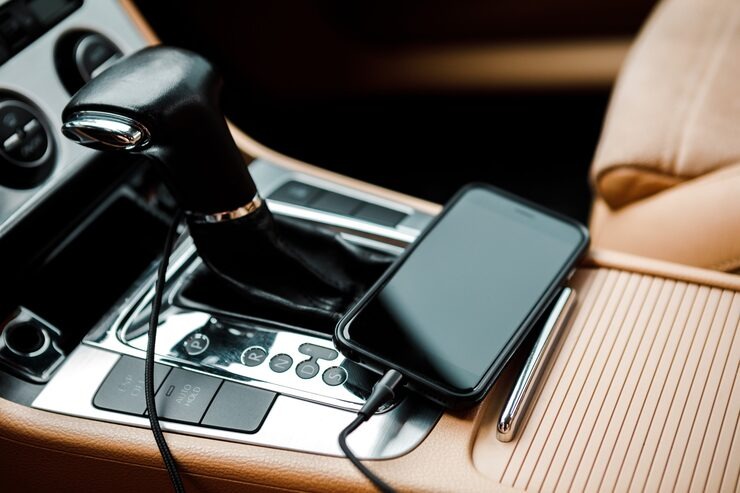
What it is: A small module that wires directly into the back of your factory radio, usually plugging into the CD changer port or satellite radio input. Once installed, your car thinks you have an external CD changer—but instead, you have Bluetooth.
How it works:
- Remove your factory stereo (just a few screws and trim pieces)
- Unplug the CD changer port or satellite radio harness
- Plug the Bluetooth adapter inline
- Tuck it behind the dash
- Reinstall the stereo
What you get:
- Factory look—no visible devices
- Excellent sound quality (better than FM transmitters)
- Often retains steering wheel controls
- Some models include siri eyes free car stereo support
- Charges your phone via USB (some models)
What you don’t get:
- Touchscreen or Apple CarPlay
- Full bluetooth car stereo features like advanced EQ
Best for: Owners of BMW, Audi, Mercedes, Volvo, and other premium cars where aftermarket stereos look out of place
Price range: $80-$200
Pro tip: Brands like GROM, Dension, and USA Spec make vehicle-specific adapters. Make sure you buy one designed for your exact car make, model, and year.
If you’re comfortable removing your factory radio, this is the way to go. Need help with the removal process? Our installation guide covers dashboard removal, wiring, and everything you need to know.
Option 5: Bluetooth Visor Speakerphone (For Calls Only)
This one is purely for hands-free calling. No music streaming.
What it is: A small speaker that clips to your sun visor. It connects to your phone via Bluetooth and acts as a dedicated hands-free calling device. Most have powerful speakers and noise-canceling microphones.
What you get:
- Crystal clear phone calls
- Excellent noise cancellation
- Long battery life (some last weeks on a charge)
- Works in any car, rental, or even truck cabs
What you don’t get:
- Music streaming (some models do, but sound quality is mediocre)
- Integration with your car’s stereo
Best for: Rideshare drivers, frequent business callers, anyone who prioritizes call quality over music streaming
Price range: $40-$100
Pro tip: Brands like Jabra, BlueParrott, and Plantronics make high-quality visor speakers. If you drive for Uber or Lyft, this is a solid addition to your setup. For full hands-free calling with music, our Cluster 3 safety guide covers the best hands free calling car radio options.
Option 6: Replacement Radio with OEM Look (The Best of Both Worlds)
This is the middle ground between a full aftermarket stereo and a simple adapter.
What it is: A modern bluetooth car stereo designed to look like your factory radio. These are often called “OEM-style” or “factory look” stereos. They fit in your dashboard without adapters and match your car’s original lighting and design.
What you get:
- Bluetooth streaming and hands-free calling
- Modern features (USB, aux, sometimes Apple CarPlay)
- Factory look—no flashy aftermarket styling
- Usually better sound quality than adapters
- Often includes steering wheel control compatible stereo features
What you don’t get:
- Touchscreen (usually)
- Advanced features like time alignment car stereo or 16 band equalizer car audio
Best for: Owners of classic cars, 90s-2000s vehicles, and anyone who wants modern features without the aftermarket look
Price range: $150-$400
Pro tip: Brands like Blaupunkt, Continental, and RetroSound specialize in OEM-style stereos. If you have a classic car, this is the way to go.
Which Option Is Right for You? (A Simple Decision Guide)
Let’s make this easy. Here’s how to choose based on your situation.
| Your Situation | Best Option | Why |
|---|---|---|
| You want the cheapest, fastest solution | Bluetooth FM transmitter | $20, 30-second install, works in any car |
| Your car has a cassette player and you love the retro look | Bluetooth cassette adapter | Keeps everything original, no visible add-ons |
| Your car has an aux input | Bluetooth aux adapter | Best sound quality without replacing the stereo |
| You drive a BMW, Audi, Mercedes, or other premium car | Hardwired Bluetooth adapter | Keeps factory look, integrates with steering wheel controls |
| You make a lot of calls while driving | Bluetooth visor speakerphone | Best call quality, noise cancellation |
| You want modern features but factory look | OEM-style replacement radio | Bluetooth, USB, maybe CarPlay, looks original |
| You want the best possible sound quality | Full bluetooth car stereo replacement | See our Cluster 1 guide for top recommendations |
| You want Apple CarPlay or a touchscreen | Full bluetooth car stereo replacement | Adapters won’t give you that |
Sound Quality Comparison: How Do Alternatives Stack Up?
Let’s be honest about audio quality. If you care about audio quality & specs, some alternatives will leave you wanting more.
| Solution | Sound Quality | Call Quality | Ease of Install |
|---|---|---|---|
| FM Transmitter | Fair (FM limitations) | Fair (road noise) | 30 seconds |
| Cassette Adapter | Poor (tape deck limits) | None (unless paired with separate mic) | 10 seconds |
| Aux Adapter | Good (direct connection) | Varies by model | 1 minute |
| Hardwired Adapter | Very Good (direct to stereo) | Good | 30-60 minutes |
| Visor Speakerphone | N/A (calls only) | Excellent | 30 seconds |
| OEM-Style Stereo | Very Good | Very Good | 1-2 hours |
| Full Stereo Replacement | Excellent (with mosfet amplifier car stereo, 13 band equalizer) | Excellent (with external microphone car stereo) | 1-3 hours |
If you’re an audiophile who demands flac playback car stereo and time alignment car stereo features, none of these alternatives will satisfy you. You’ll want a full bluetooth car stereo upgrade. Our audio quality guide breaks down exactly what to look for.
Installation Tips for Alternative Solutions
Most of these are plug-and-play, but a few tips will make your experience better.
For FM transmitters:
- Find an empty FM frequency at the bottom or top of the dial (like 87.9 or 107.9). Avoid frequencies with even a whisper of a real station.
- Route the power cord behind your dashboard trim if you want a cleaner look.
For hardwired adapters:
- Disconnect the negative battery terminal before removing the stereo
- Use plastic trim tools to avoid scratching your dashboard
- Tuck the module behind the stereo or in the glove box
- Need detailed instructions? Our installation guidewalks through stereo removal for dozens of vehicles.
For OEM-style stereos:
- These usually fit without a dash kit, but you may need an antenna adapter
- Check if your car has a factory amplifier—some need a special harness
Frequently Asked Questions
Q: Will an FM transmitter drain my car battery?
A: No. Most FM transmitters turn off with the car (they only get power when the cigarette lighter is on). If your lighter stays on even with the car off, unplug it when parked for long periods.
Q: Can I use my steering wheel controls with these alternatives?
A: Only with hardwired adapters and some OEM-style stereos. FM transmitters and aux adapters don’t interface with your steering wheel. If that’s important, check out our safety guide for steering wheel control compatible stereo options.
Q: Which option has the best sound quality?
A: Hardwired adapters and OEM-style stereos sound best. FM transmitters are the worst—they’re fine for podcasts but music loses detail. For the absolute best sound, a full bluetooth car stereo with mosfet amplifier car stereo and flac playback car stereo is unbeatable. See our guide for details.
Q: Can I add Apple CarPlay without replacing my stereo?
A: Yes, there are now standalone CarPlay screens that mount on your dashboard. They don’t replace your stereo—they add a screen for CarPlay, and audio plays through your existing stereo via aux or FM. It’s a great option for older cars.
Q: What’s the best alternative for rideshare drivers?
A: A Bluetooth visor speakerphone for calls, plus an FM transmitter or aux adapter for music. Or go all-in with a full bluetooth car stereo replacement with external microphone car stereo—our Cluster 1 guide has top picks for Uber and Lyft drivers.
Q: Will any of these work with Siri Eyes Free?
A: Some hardwired adapters and OEM-style stereos support siri eyes free car stereo. FM transmitters and aux adapters don’t—you’ll have to use the button on your phone.
Q: I have a classic car. What’s my best option?
A: Either a Bluetooth cassette adapter if you have a tape deck, or an OEM-style stereo that looks period-correct but has modern internals. RetroSound and Blaupunkt make great options for classics.
Q: Can I use an alternative and still get good hands-free calling?
A: Yes, but choose carefully. FM transmitters with built-in mics are okay at best. Hardwired adapters and OEM-style stereos are better. A dedicated visor speakerphone is best for call quality. For the full experience, a bluetooth car stereo with external microphone car stereo is the gold standard—check out our safety guide.
Wrapping It Up: Your Car, Your Choice
You don’t need to spend hundreds of dollars or tear apart your dashboard to enjoy Bluetooth in your car. Sometimes the simplest solution is the best one.
Quick recap:
- Budget pick: Bluetooth FM transmitter ($15-$40)
- Classic car pick: Bluetooth cassette adapter ($15-$30)
- Quality pick (aux input): Bluetooth aux adapter ($20-$60)
- Premium factory look: Hardwired Bluetooth adapter ($80-$200)
- Call quality pick: Bluetooth visor speakerphone ($40-$100)
- Modern features, factory look: OEM-style replacement stereo ($150-$400)